Save the date for our second West Fork Watershed Day, 10 to 4, Watters Smith State Park, Duck Creek Road, Lost Creek WV
All ages are invited! Bring a picnic lunch and spend the day, bring your mountain bikes and ride the trails, walk the trails or visit the Watters Smith farm museum. Or drop in for the morning, the afternoon, or just one activity.
This year we will be adding short workshops which will require pre-registration – watch for the full schedule and preregistration forms in September.
We will have an introduction to our Watershed Champions Program – recognition for residents in the watershed who take steps to improve water quality and habitat in our watershed through actions they take in their own gardens, yards, and property. And activities to help you do that.
Some of the planned activities include:
- Visiting the woods or the creek with a local Master Naturalist or birder to learn about birds, bugs, beasts and plants
- Nature crafts for kids
- Information tables on how watersheds work; programs to help you maintain healthy soil and water in your yard, farm, or rural property; septic tank maintenance; WVDEP REAP (WV DNR Rehabilitation Environmental Action Plan) – Adopt-A-Stream, Tire Collection, WV Make It Shine, how to report an open dump, and more
- Creek walks with WV Department of Environmental Protection staff to learn how stream health is determined, including demonstrations of water quality testing, checking for stream life, and evaluating stream banks
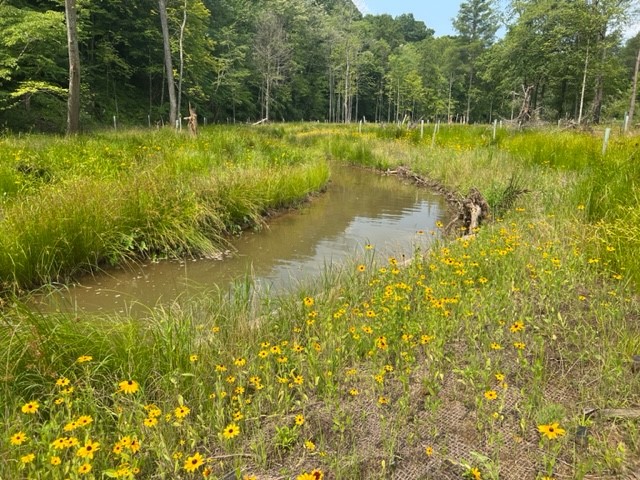
- Tours of the Duck Creek Mitigation Bank, a stream restoration project of WV Division of Natural Resources and Water and Land Solutions, which is an example of how landowners can restore their own creeks, prevent erosion, be resilient to flooding, build wildlife and pollinator habitat, and improve the river and watershed for everyone
Watersheds are important because the surface water and stormwater runoff in a watershed drain to other bodies of water. Everything upstream ends up downstream. We all live downstream and our everyday activities can affect downstream waters – and our drinking water, fishing, swimming, and boating depend on a healthy watershed. The major problems in the West Fork and its creeks are pollution by fecal coliform from sewage and pastures, and iron in sediment from dirt roads, oil and gas drilling, urban runoff, farming, stream bank erosion, and abandoned mines.
Guardians President Lisa deGruyter says “Many people, agencies, and organizations in our watershed work on keeping our water and watershed healthy. The Guardians work to get an overview of our watershed health and co-operate with everyone who is working on it. We hope this second Watershed Day will help people learn about the watershed and what they can do to help get and keep it healthy – and enjoy a day at our state park.”
 Guardians of the West Fork Watershed