The Guardians Board will meet at 6:00 p.m. Wednesday, 16 July 2025 at the Clarksburg Water Board and online.
We have exciting opportunities this year; please come and join us.
Here is the preliminary agenda:
Approval of April and May Minutes (5 minutes) Treasurer’s Report (5 minutes)
Old Business State of federal funding Lambert Run Project Update (10 minutes) – Site Visit with Office of Surface Mining on June 25 – Site 4 – Site 8 – AGO Sites 3,5,9 Stream Partners Grant Review of work (15 minutes) – Water Trail Signage Project – Watershed Day 2025 (October 11) Ohio River Valley Participatory Fund (Stewards VISTA) (15 minutes) – Asset Map and Outreach – Save Our Streams Workshop Jackson’s Mill 31 July – Lewis County Lions Children’s Safety Fair on Saturday, August 23
Administrative Update – Printer – Watershed Social Hour Presentation July 1 – McKinney Run construction – Infrastructure updates
Update and Discussion
DOH Recreational Trails Grant Application for Clarksburg Nature Park Design Common Waters (WVU WRI) Water Quality Testing Project Project Wet Festival Spring 2026
If you are interested in attending online and are not on the email list, please email admin@guardiansofthewestfork.org for the meeting logon information.
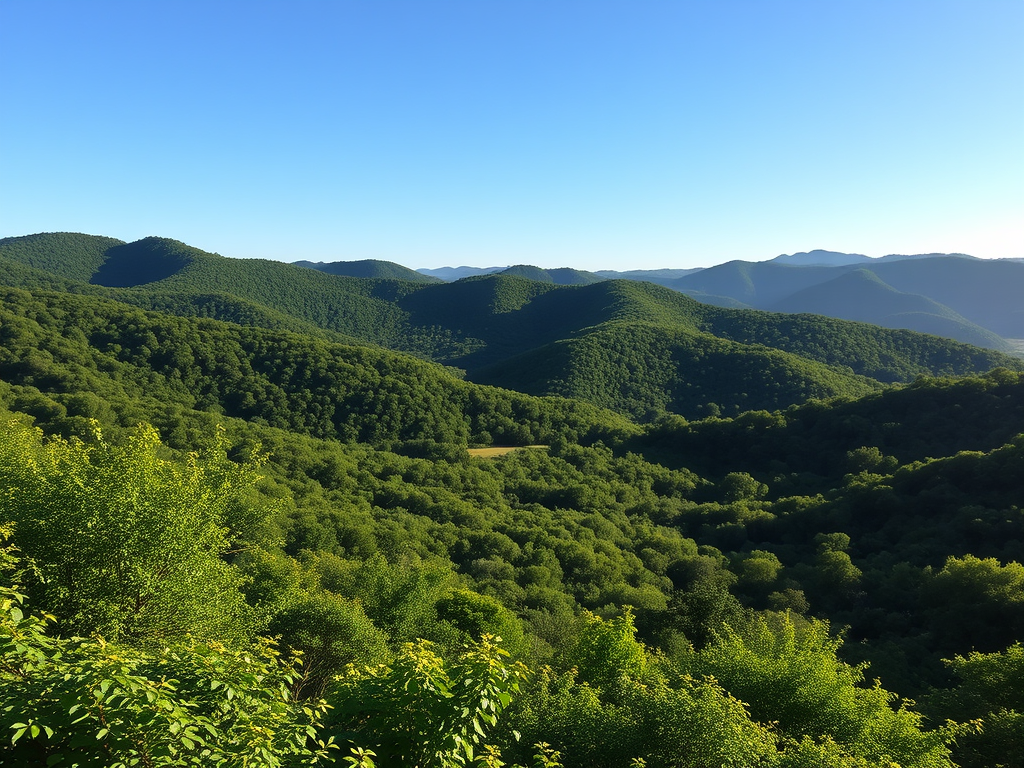
We may not think about it often, but the West Fork Watershed is part of the vast headwaters of the Ohio (and so the Mississippi). The first land grants in our part of the country often labeled the land as “on the waters of the Mississippi.” What happens in our yards, our land, our woods and creeks affects everything downstream.
The Ohio River Basin Alliance has been working on a Restoration & Protection Report with the National Wildlife Federation and the University of Louisville. The draft report is the result of collaboration with river communities, non-profits, universities, agencies, and tribal nations.
The draft report was developed with input from over 500 residents across 31 Ohio River basin communities. It focuses on local clean water priorities to support workforce development and to aid those communities most impacted by pollution and environmental harm. It is being released for public comment and will then be delivered to U.S. Congress, with the goal of securing long-term investments to implement the restoration and protection solutions proposed in the document.
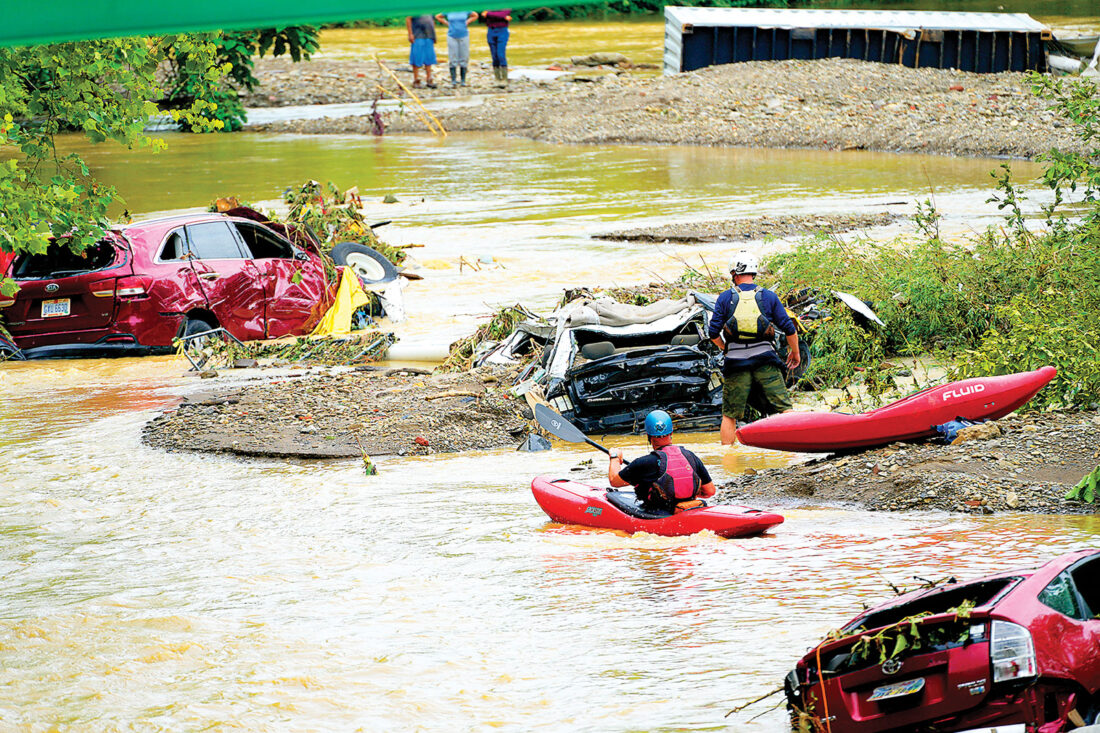
On June 14, torrential rains unleashed devastating flash floods across West Virginia. This unprecedented deluge overwhelmed local waterways and infrastructure, leaving entire communities reeling from the impact. Multiple news outlets have reported on the fierce rains—between 2.5 and 4 inches in just moments—that triggered rapid flooding, submerging roads, homes, and businesses alike.
In communities throughout Ohio and Marion Counties, the floods have exacted a heavy toll. Buildings have partially collapsed, vehicles have been swept away, and local businesses—such as Zambito Flooring America, which lost its entire inventory—have suffered irreparable losses in a matter of minutes. Families and neighbors now face the daunting tasks of rescue, recovery, and rebuilding in the aftermath of this natural disaster.
Local heroes have risen to the challenge. The West Virginia National Guard, emergency responders, and countless community volunteers mobilized quickly to provide lifesaving aid and support relief efforts on the ground. Their valiant work—clearing debris, managing swift water rescues, and restoring access to isolated areas—exemplifies the unwavering spirit present even in our darkest hours.
At the Guardians of the West Fork, our hearts break for every family and community affected by these flash floods. For years, our volunteer organization has stood at the forefront of protecting and preserving the West Fork watershed. This tragedy underscores not only the vulnerability of our natural resources but also the urgent need for unified community action to restore and safeguard our environment for future generations.
We urgently call on you—our extended community of supporters—to help in this critical time. Your donation can provide immediate relief, support ongoing rescue operations, and fund vital rehabilitation projects. Every contribution, no matter the size, makes a concrete difference in the lives of those facing hardship right now.
How You Can Help:
Support Broader Flood Relief Efforts: Consider donating to the American Red Cross West Virginia Chapter, which is channeling resources to affected families and communities throughout the state. Donate to the American Red Cross
Stay Updated by Local Sources:
Ohio County-Look out for posts on social media from Ohio Valley Mutual Aid and Wheeling Service Corps. They post volunteer locations, drop off sights and directly affected Go Fund Me links.
Marion County– Tygart Valley United Way https://www.tvunitedway.org/flood is a great way to get assistance, donate, and stay informed.
If you’re able, please also consider volunteering your time. Whether you have skills in emergency response, logistics, or community outreach, every helping hand contributes to a faster, stronger recovery. You can learn more about volunteer opportunities and local relief efforts on our website or by contacting our team directly.
In times of disaster, community solidarity is our strongest asset. Together, we can rebuild our homes, reinvigorate our communities, and fortify our natural treasures against future calamities.Thank you for your compassion and generosity. Let’s stand united as we bring hope and healing to the heart of West Virginia.
In solidarity, Guardians of the West Fork
: MSN News – Building partially collapses amid deadly WV floods: Video : Floor Daily – Zambito Flooring America Loses Entire Inventory in Flash Flood : MSN News – West Virginia National Guard joins flood response after deadly floods : CBS News – West Virginia flash floods kill at least 7 after inches of rain fell : USA Today – Devastating West Virginia flash floods leave 6 dead and 2 missing
I recently attended an inspiring conference that opened my eyes to just how deeply recent funding cuts are affecting West Virginia residents. I went in eager to learn more about the challenges our communities face when support dwindles, and I left with a renewed commitment to strengthening our local bonds. In particular, I was thrilled to see how the mission of Try This—built on the belief that true change comes from empowering people rather than relying on projects—mirrors the work we’re doing with the Guardians of the West Fork. Our goal is to cultivate stronger, more resilient communities by deepening the relationship between residents and the natural beauty of the West Fork.
If you’ve been to a Try This Conference, you’ll know one of the three rules is “Go With the Flow.” That rule means when things don’t go as expected, we take a deep breath, pause, and then find the next best step forward. Despite this philosophy, nothing quite prepared us, our partners, or our community members for the sweeping cuts to AmeriCorps by DOGE. When our greatest helpers were targeted, it was a stark reminder of the fragility of support systems that our communities depend on.
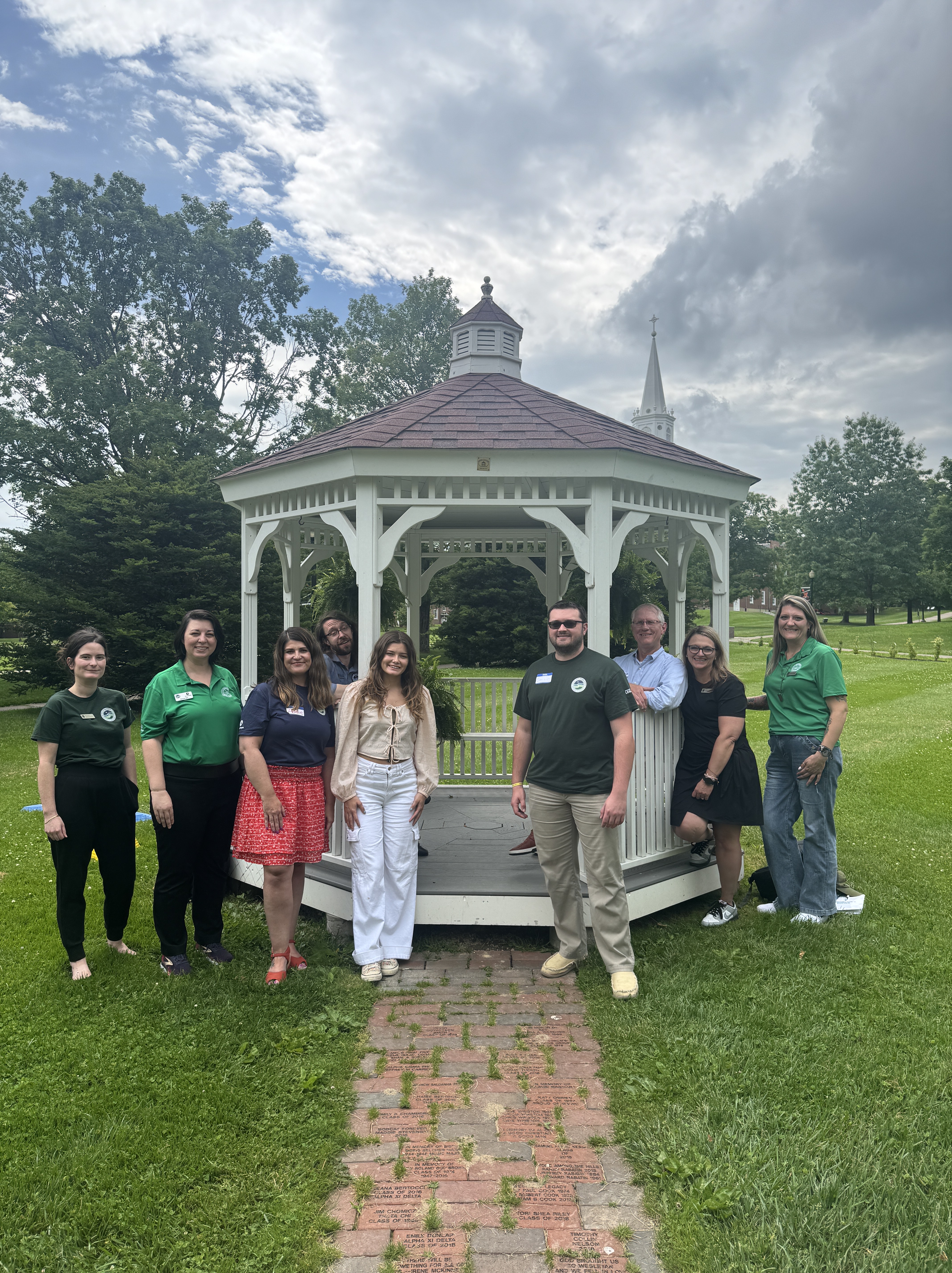
In response to these challenges, organizers have rallied together to invite key stakeholders to a dedicated, one-day event at WV Wesleyan College on Friday, June 6. This event was designed to achieve two critical goals: firstly, to provide direct support to AmeriCorps and VISTA members—offering resume clinics, job search help, and other valuable training—and secondly, to brainstorm collective strategies to address the financial and staffing gaps these cuts have created across the state. The spirit of collaboration and resilience at this meeting is a testament to the Try This model, which holds that while no single organization has all the answers, together we can forge a path forward.
At its core, Try This aims to help knock West Virginia off the top of the worst health lists by building a statewide, grassroots network of healthy-community leaders. This mission reinforces the idea that communities don’t need to be saved from within; they need support from those who understand them best. The Try This model plants seeds of change by empowering local leaders with the skills and confidence needed to transform their neighborhoods—an approach I wholeheartedly embrace. Working with the Guardians of the West Fork amplifies this mission, as our efforts focus on making your community’s bond with the West Fork even stronger and more vibrant.
I left the conference feeling both challenged and energized—a reminder that even when faced with setbacks, our commitment to community welfare can spark innovative solutions and deeper connections. The upcoming event on June 6 is not just a meeting; it’s a call to rally together: AmeriCorps and VISTA members, impacted organizations, funders, partners, media, and community advocates are all invited to share resources, brainstorm solutions, and listen to one anther’s experiences. I’m excited to be a part of this journey, and I look forward to continuing the dialogue on how we can protect the valuable work of AmeriCorps in West Virginia.
Let’s work together to strengthen our community and enhance our relationship with the West Fork—building a future where every resident has the support they need to thrive.
Owning land in West Virginia comes with both privileges and responsibilities. Whether you’re managing forests, protecting waterways, or simply looking to understand your rights, having access to the right resources can make all the difference. Below, we’ve compiled essential tools and programs designed to help private landowners make informed decisions about conservation, land health, and legal rights.
Know Your Rights
Understanding your rights as a landowner is crucial, especially when it comes to mineral rights and surface ownership. The WV Surface Owners’ Rights Organization provides guidance on dealing with oil and gas activities on your land, ensuring that your rights are recognized and respected.
Land and Water Conservation Tools
West Virginia Wild Yards Program – Helps landowners create and maintain wildlife-friendly landscapes, supporting conservation efforts while enhancing your property’s natural beauty. Learn more.
West Virginia Division of Forestry – Offers assistance for sustainable woodland management, including invasive species control and timberland programs. Explore resources.
How’s My Waterway – Provides water quality data to help landowners understand the condition of local waterways. Check your waterway.
DEP Planting Tool – Recommends native species for habitat restoration and erosion control projects. Find native plants.
Citizen Science & Monitoring Programs
iNaturalist & Seek – Identify plants and animals while contributing to conservation research. Join the community.
Merlin Bird ID – Helps landowners recognize birds by sound and sight, supporting local wildlife monitoring. Discover birds.
Financial Assistance & Cost-Share Programs
Managing land can be costly, but several programs offer financial support:
USDA Programs for Private Landowners – Provides funding for conservation and land management projects. Find a program.
West Virginia Forest Stewardship Program – Offers technical and financial assistance for sustainable forestry. Learn more.
Take Action Today
West Virginia’s natural beauty depends on the stewardship of its landowners. Whether you’re restoring habitats, monitoring water quality, or protecting your property rights, these resources can help you make informed decisions.
Have questions or need guidance? Reach out to local experts and organizations to get started on your conservation journey. Let’s work together to protect West Virginia’s land and water for generations to come!
Ecosystem monitoring is a critical tool for understanding environmental changes, tracking wildlife populations, and predicting ecological shifts. Scientists rely on long-term data collection to assess biodiversity, detect pollution, and measure the effects of climate change. However, recent funding cuts to federal monitoring programs have weakened our ability to study these trends.
At Guardians of the West Fork, we recognize the importance of environmental monitoring and collaboration. Our network of partners—including state agencies, nonprofits, and local organizations—works to safeguard our watershed and promote sustainable practices. Groups like the West Virginia Water Research Institute (WVWRI) and WVDEP Abandoned Mine Lands provide scientific skills and funding opportunities, ensuring that restoration projects remain effective. Meanwhile, organizations such as American Rivers and Save the Tygart Watershed Association advocate for stronger protections and community engagement.
The loss of federal ecosystem monitoring programs underscores the need for local action. By strengthening partnerships with groups like Stewards Individual Placement, Coal River Group, and West Fork Conservation District, we can continue gathering critical environmental data and implementing conservation strategies. Additionally, educational institutions such as WVU Extension and Clarksburg Public Library play a vital role in raising awareness and empowering future environmental leaders.
While policy changes at the federal level shift priorities, local organizations remain committed to protecting our natural spaces. Through collaboration, research, and advocacy, we can ensure that our watershed remains healthy for generations to come.
Last week, we took a huge step forward in restoring Lambert Site 4! 🎉 Our preconstruction meeting with WV Water Research Institute engineers, project managers, and our contractor/property owner set the stage for a wetland that will help remove iron pollution from a mine seep in an unnamed tributary. Construction kicks off in late June or July, and we can’t wait to see the improvements!
We’re grateful for our partners at WVWRI, and WV DEP Abandoned Mine Lands for stepping in to cover our construction costs—ensuring this vital project moves ahead smoothly. Their support has been instrumental in keeping our timeline on track and ensuring that essential watershed restoration efforts continue uninterrupted.
💧 What does this mean for our community? ✔️ Cleaner water for Lambert Run ✔️ Healthier ecosystems for fish and wildlife ✔️ Long-term restoration of our local tributaries
And to celebrate these improvements, we’re planning a community barbecue later this summer! 🍔🌿 Stay tuned for details—we want YOU to be a part of this milestone.
Your support and engagement make all the difference. Let’s protect our watershed together! 💙
The Guardians of the West Fork Watershed are pleased to announce that we were awarded a $15,000 grant from the Ohio River Valley Participatory Fund of the Community Foundation for the Alleghenies to support critical environmental efforts in North Central West Virginia, marking a milestone in our mission to preserve and improve the ecological integrity of the West Fork River and its watershed.
For over 25 years, we have worked to remediate abandoned mine drainage, promote waterway stewardship, and foster environmental education. A decline in volunteer participation has hurt our ability to maintain widespread community engagement. The grant has enabled us to bring on a full-time Stewards VISTA volunteer, Hannah Blakely, who will help us with planning, administration, and outreach. Her main priority is focusing on recruiting younger members, expanding volunteer collaboration, and enhancing public education initiatives. Hannah, a Wheeling native, has previously done a VISTA term with the AmeriCorps NCCC in California, and is currently finishing a degree in Environmental Soil and Water Science at WVU.
The Guardians have been committed to protecting and restoring the watershed for decades. This grant will allow us to build lasting partnerships, increase community involvement, and ensure a healthier future for the West Fork River Watershed.
The funds will let us expand educational events, strengthen relationships with local governments and nonprofits, and develop volunteer-driven conservation projects.
We are excited to welcome Hannah, who will be reaching out to members, partners, and the community soon.





 Guardians of the West Fork Watershed