The West Fork River and its creeks are polluted, but provide our water supply, recreation, and fish and wildlife habitat. We need to improve the quality of our waters, and that is a goal of the Guardians of the West Fork River.
The Watershed Champions program recognizes you for your efforts to improve your yard and garden and help restore water quality in the West Fork Watershed. By completing the steps explained below and informing the Guardians of your efforts, you can be certified as a Guardians Watershed Champion. The Guardians also recognize that children are our future, and these resources include specific suggestions for children to take part. If you have children in your life, we encourage you to include them in as many of these certification steps as possible.
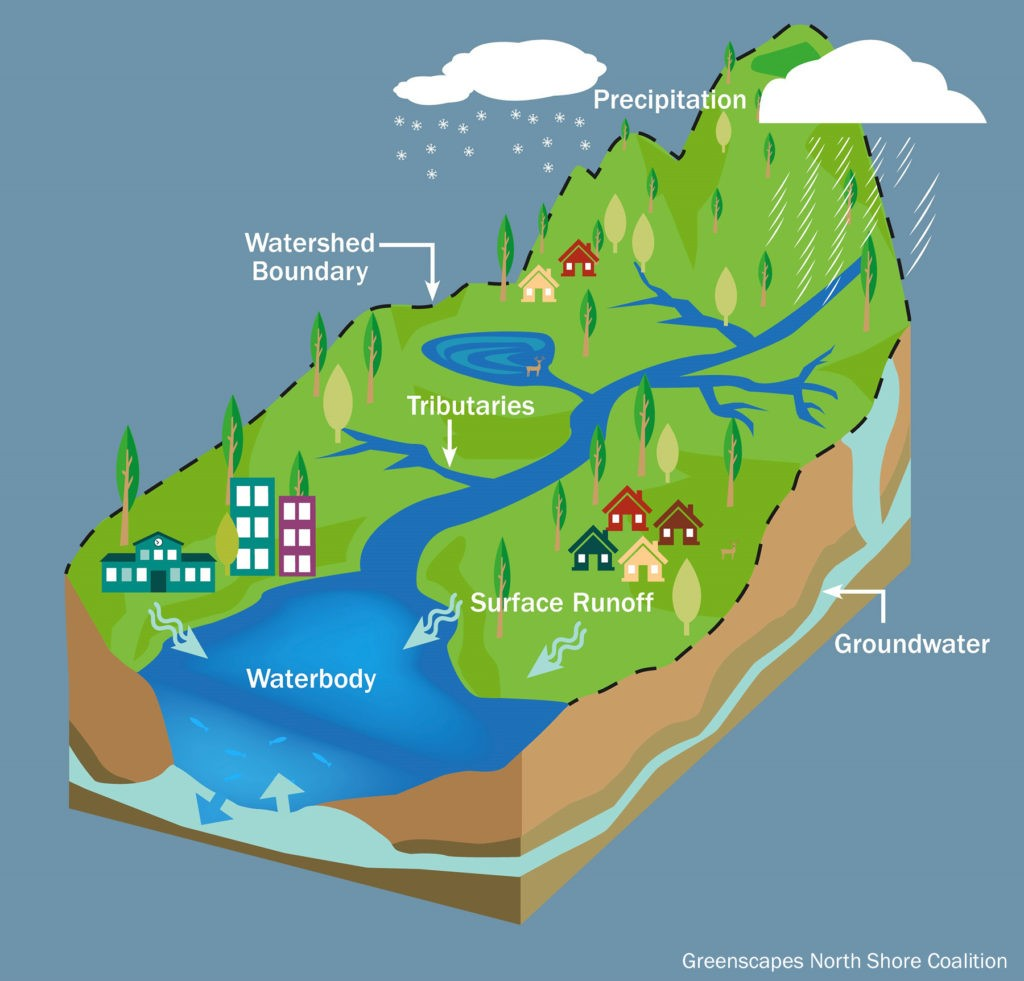
A watershed is the area of land that channels or “sheds” rainfall and other water runoff into a particular body of water. The West Fork Watershed is all of the land where the creeks run into the West Fork, from the headwaters near Rock Cave in Upshur County to where it joins the Tygart to make the Monongahela in Fairmont. Major creeks are Booths Creek, Ten Mile, Simpson Creek, Limestone, Elk Creek, Lost Creek, Hacker’s Creek, Stone Coal, and Polk Creek. It has 881 square miles of land, over 1800 miles of streams, and is home to more than 105,000 people.
We need to understand the connections among our own yards and land and the water that flows into the West Fork to make our creeks and river healthy again. Every single person, young and old, can make a difference, often in simple ways in your own yards and gardens. If everyone takes a few simple steps, we can help clean our waters and improve our environment and our health, making a healthy, rich, and beautiful landscape that wildlife and people enjoy.
WHAT IT’S ABOUT
The Watershed Champions program will help you use and care for your property in ways that help to enrich, protect, and sustain our watershed and all the life it supports. Champions will:
- Understand the relationship of their land to the watershed.
- Learn how to minimize storm water runoff and pollution, improving water quality in the West Fork and its tributaries.
- Create a healthy, diverse garden and yard or woods and fields ecosystem on their property.
STEPS FOR CERTIFICATION
To become a certified Guardians Watershed Champion, you must complete the three Steps below. Each of these three Steps contain possible things to do, and you only need to do a few to meet the requirements for certification. However, the more you do, the more you will improve our environment. If you have not yet taken enough actions to qualify, look at what else you can do. We encourage including the whole family in this program. (See Step 3 for activities for kids.)
STEP 1 – Know where the rain and snow that lands in your yard or property goes
Identify your watershed and subwatershed.
You can use this map from the Environmental Protection Agency to see your watershed
https://mywaterway.epa.gov/community/
It will also show you the health of all the nearby creeks – whether they are safe for drinking, swimming, eating fish, and aquatic life – and if not, why not.
You may live in a different watershed, and we are not limiting this program to residents of the West Fork Watershed. Anyone can be certified a Watershed Champion if they take the Steps for certification, which apply to watersheds in general. All water from the West Fork Watershed eventually drains into the Monongahela River, the Ohio, and the Gulf of Mexico. Other nearby watersheds also drain into the Monongahela, or on the west and south, into the Little Kanawha.
Know the destination of rainfall that lands in your yard.
STEP 2 – Improving or Sustaining Our Water Quality
You will need to do at least 5 of these to meet certification requirements.
- Eliminate or reduce the use of chemical fertilizers, insecticides, and herbicides.
- Pick up and properly dispose of pet waste from your yard. If you have animals or poultry, fence them from creeks.
- Know how to dispose of used oil, unused medications, and other waste that should stay out of the water.
- Maintain your septic system or your line to the public sewer.
- Reduce the need for watering, irrigation, and chemical fertilizers and herbicides by reducing lawn area or increasing native plants, or both.
- Use native ground covers and leaf mulch to stabilize bare areas and prevent erosion, or methods to prevent erosion on rural property.
- Regularly pick up human-made trash in and around your yard and near your storm drains and properly dispose of it.
- If you can, commit to helping keep the storm drain closest to your home clear of debris and trash. Consider working with others in your neighborhood to keep nearby drains clear.
- Have a rain garden in your yard to help capture runoff from your roof, driveway, sidewalks, or lawn.
- Harvest rainwater with rain barrels or other devices.
- Cut down on hard surfaces like concrete, mortared or asphalt driveways, sidewalks, and patios on your property. Have surfaces that let water into the ground, like gravel, or planted beds.
STEP 3 – Enriching the Ecosystem
As we plan our yards and gardens, we want them to be beautiful, neat, and convenient, without thinking about how biodiversity – the variety of life – can help. You will need to do at least 3 of the following actions to meet certification requirements.
- Plant more native trees, shrubs, and plants while reducing lawn and non-native plants (often called “exotics” or “ornamentals”).
- If you live along a pond or creek, have a buffer zone that is a border of appropriate native plants along the water’s edge.
- Retain as much yard waste (grass clippings, natural litter from trees, etc.) in your yard as possible.
- Have a water source for wildlife.
- Help to inform the landscaping and lawncare industry.
- Help to get your neighbors involved.
- Engage with children and have them complete at least one activity.
For help on the steps and more information see our Watershed Champions: Information and Resources.
Ready to Apply for Certification?
Submit your completed Application for Watershed Champion Certification, showing the specific actions under each step that you have taken. You will receive a certificate, a window decal, and an opportunity to obtain a Watershed Champions yard sign. Your accomplishment may also be recognized on our website, and in our annual report, and at West Fork Watershed Day.
Becoming a Watershed Champion
- Protects your local streams and rivers and all the life that depends on clean water.
- Promotes habitat for birds, fish and other wildlife.
- Recognizes your commitment to best practices managing water on your property
- Educates others about healthy watersheds
- Brings awareness to the program
- Provides you with tools and resources to achieve a watershed-friendly status
- Gives you “bragging rights” for all of your hard work
 Guardians of the West Fork Watershed